Pizza Hut vs Dominos
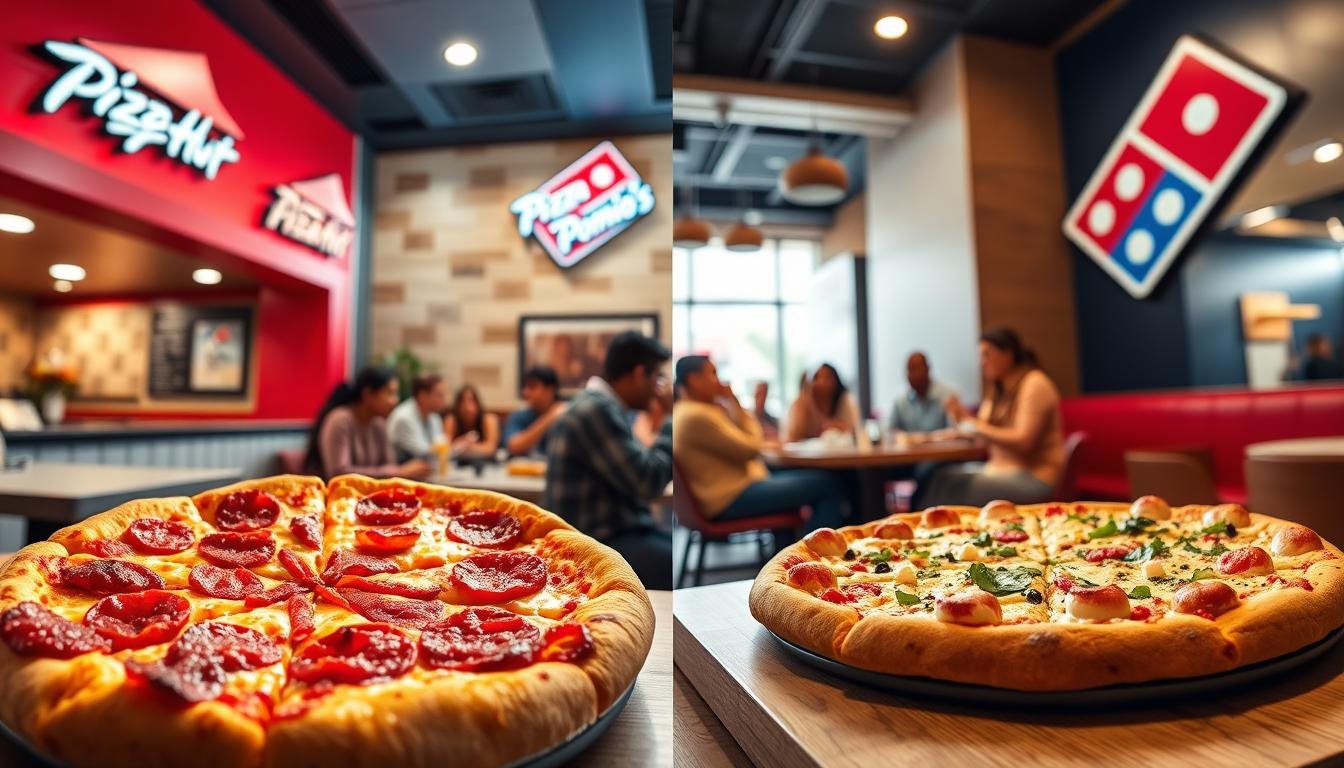
We compare two of the most recognizable names in American delivery to help you choose your next meal. Founded in 1958 in Wichita, Kansas, and 1960 in Ypsilanti, Michigan, these brands have battled for taste and market share for decades.
Our team has spent countless Friday nights testing crusts, sauces, and delivery speed so you don’t have to. We focus on the details that matter: flavor, value, and convenience.
Deciding between these two pizza chains often comes down to personal preference. Whether you want a specific style, fast delivery, or the best deal, our guide breaks down the key differences to simplify your order.
Understanding the Pizza Hut vs Dominos Rivalry
The competition between these two national chains has shaped how Americans order comfort food today.
Pizza Hut currently has more than 6,600 locations in the United States, while Domino’s runs over 5,600 domestic stores. Globally, Domino’s exceeds 20,000 outlets across about 90 markets and Pizza Hut operates roughly 19,000 restaurants.
Local availability often decides our weekly pick. Many times we choose the closest location rather than the menu alone. Still, taste and brand personality matter to our taste buds.
- The rivalry pushes both chains to innovate and sharpen flavor profiles.
- Domino’s global reach contrasts with Pizza Hut’s strong U.S. presence.
- Differences in menu items and service style influence what our taste buds prefer.
| Brand | US Locations | Global Footprint |
|---|---|---|
| Pizza Hut | ~6,600 | ~19,000 restaurants |
| Domino’s | ~5,600 | ~20,000 stores in 90 markets |
Understanding these differences helps us pick the right chain for our cravings. Small contrasts in flavor and menu options make a big difference to our taste buds.
Signature Crust Styles and Textures
Crust choice shapes every bite, so we test texture and flavor across signature styles.
Hand-Tossed and Pan Differences
We find hand-tossed crusts are lighter and have a tender chew. Domino pizza’s hand-tossed often adds a garlicky edge that lifts savory notes.
By contrast, pizza hut built a name for a pan crust that is thick, buttery, and crisp on the outside with a fluffy interior. That gap in texture creates very different eating experiences.
Stuffed Crust Availability
Stuffed crust remains a key menu draw. Pizza hut long offered the classic cheese-filled edge that many fans prefer.
Domino has its own versions, but reviews often rate the original as the standard. Both chains provide thin and hand-tossed options so customers can match crust, cheese, and toppings to taste.
- Hand-tossed: lighter chew, garlic or herb edges on some menus.
- Pan: thick, buttery, crisp shell with a soft interior.
- Stuffed crust: cheese-filled edge for added richness.
| Style | Typical Texture | Best For |
|---|---|---|
| Hand-tossed | Chewy, airy | Balanced toppings |
| Pan | Buttery, crisp | Heavier toppings |
| Stuffed crust | Cheese-rich edge | Cheese lovers |
Flavor Profiles of Signature Sauces
A pizza’s character often comes from its sauce, and these two chains take different roads.
Domino pizza leans into a sweeter, bright tomato base. It gives a steady backdrop for toppings and lets cheese shine without fighting for attention.
Pizza Hut adopts a tangier, herb-forward mix. The spices push through on the first bite and change how toppings taste to our taste buds.
- Domino pizza: sweeter, robust tomato flavor — good for balanced toppings.
- Pizza Hut: zesty, herb-heavy sauce — best for bold or meaty combinations.
- Both chains refine recipes to keep fans coming back.
| Brand | Profile | Best For |
|---|---|---|
| Domino pizza | Sweet, tomato-forward | Simple toppings, mild cheese blends |
| Pizza Hut | Tangy, herb-rich | Heavier toppings, bold flavor choices |
Choosing between these sauce options often comes down to whether we want sweetness or a more aggressive spice. The sauce guides how cheese melts and how toppings read in every slice.
Cheese Blends and Topping Variety
How a chain blends cheese and stacks toppings often decides whether we grab another slice. We look at melt, browning, and the range of non-cheese options to judge value and flavor.
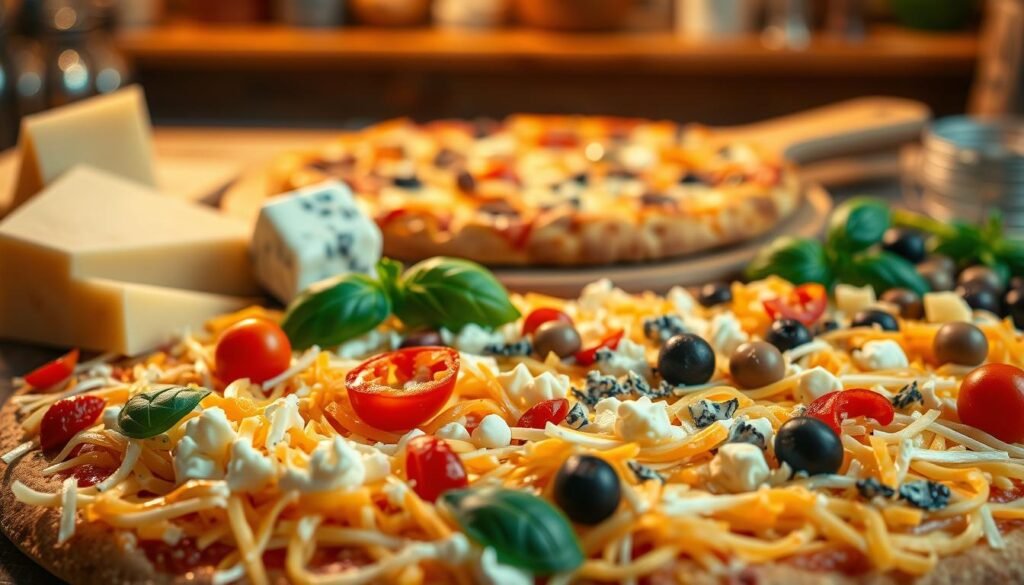
Cheese Blend Differences
Domino’s typically uses a consistent mozzarella blend that melts into a stringy texture, ideal for classic pepperoni pizzas. That reliable stretch makes every bite familiar and comforting.
By contrast, pizza hut often layers more complex blends, sometimes adding aged cheeses for a sharper finish. We notice more browning on these pies, which adds a slight crisp to the top layer.
- Domino’s: uniform mozzarella melt — great for pepperoni and simple pies.
- Pizza Hut: blended cheeses with aged notes — richer, more savory profiles.
- Customization: both let us add or subtract toppings so our orders match dietary needs or cravings.
| Feature | Domino’s | Pizza Hut |
|---|---|---|
| Cheese style | Consistent mozzarella | Complex blends, aged options |
| Non-cheese options | 18 choices | 21 choices |
| Finish | Even melt | More browning/textural contrast |
Delivery Logistics and Speed
Delivery logistics—bags, routes, and apps—are the unsung heroes of a great meal night. We track how tech and training shape the final minutes before the order lands at our door.
Domino pizza has long invested in heat-retaining bags and a robust tracking app. That setup lets us watch our order in real time and reduces cold slices on arrival.
One notable story: during a blizzard, a driver reached a customer in just 35 minutes. That highlights how focused logistics lower delivery time even in bad weather.
Pizza Hut started with a dine-in focus but now moves faster to meet delivery demand. Still, arrival speed varies by store proximity and current order volume.
- Both chains use tech to keep pies hot and on schedule.
- Multiple local locations usually mean a faster delivery option for us.
- We find domino pizza often holds a slight edge in speed due to tracking and logistics.
| Feature | Domino pizza | Pizza Hut |
|---|---|---|
| Heat tech | Insulated bags, advanced tracking | Improved insulated delivery, expanded routing |
| Typical delivery time | Faster on average in tests | Competitive, varies by location |
| Delivery options | Real-time tracking, contactless | Contactless, expanded delivery windows |
Menu Diversity Beyond Pizza
When we look past the pie, the extra items shape our group order. Both chains expand their menu to include full meals, snacks, and desserts that fit many tastes.
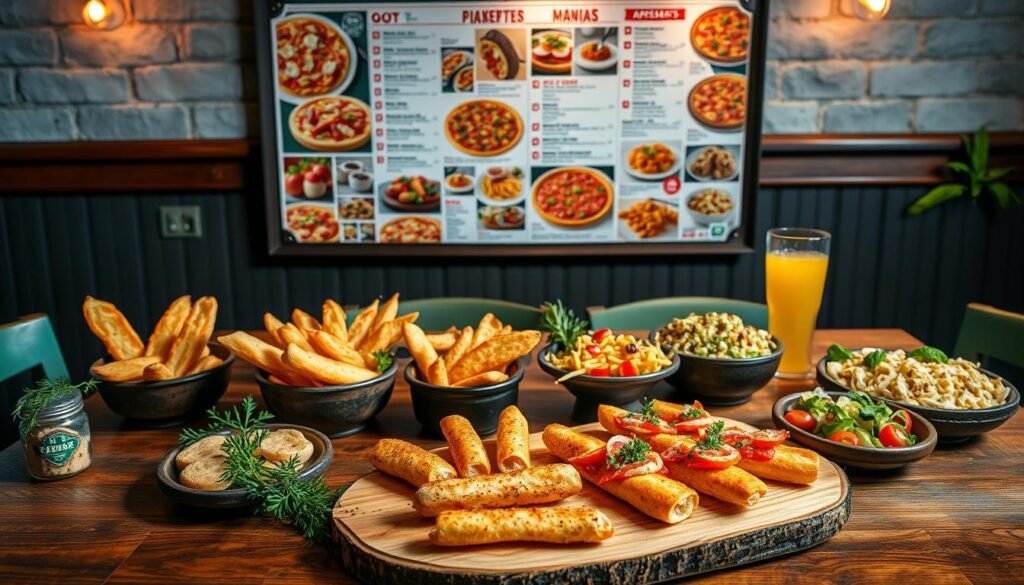
Pasta and Bread Options
We find solid pasta dishes across both menus. One brand leans into classic pasta dishes while the other offers more pasta sides and handheld Melts.
Bread choices are generous too. Parmesan bread twists, stuffed cheesy breads, and cheese sticks give us easy sharables.
Specialty Pizza Creations
Specialty pizzas range from Detroit-style pies to loaded creations topped with pepperoni, extra cheese, or stuffed crust edges. Unique items like loaded tots with Philly Cheese Steak flavors demonstrate creative offerings.
Dessert Selections
Dessert rounds out the meal. We enjoy Cinnabon Mini Rolls, cinnamon sticks, and chocolate donut bites on one menu. The other has Chocolate Lava Crunch Cakes and a Marbled Cookie Brownie for a sweeter finish.
| Category | Offerings A | Offerings B |
|---|---|---|
| Pasta | Classic pasta dishes, baked options | Pasta sides, handheld Melts |
| Bread & Sides | Parmesan bread, cheese sticks | Parmesan twists, stuffed cheesy bread |
| Dessert | Cinnabon mini rolls, chocolate donut bites | Chocolate Lava Cake, Marbled Cookie Brownie |
Pricing Strategies and Value Deals
We track how each chain prices core items and bundles so we can stretch our food budget without losing taste.
Domino’s is famous for its $6.99 Mix & Match deal, which lets us pair pastas, wings, and other sides at a low per-item cost. That makes it simple to build a larger order without surprise charges.
Pizza Hut’s $7 Deal Lover’s Menu offers similar value, letting us choose pasta dishes, chocolate donut bites, or bread twists for a single low price. Their menu often skews slightly higher for specialty pizzas and stuffed crust, so we weigh choices when ordering for a group.
- Tiered discounts help when feeding many: Domino’s often gives 20% off for 10+ pizzas.
- Both chains refresh their deals regularly, so checking current promotions pays off.
- Track orders and use bundles to save on dessert, wings, and sides like cheese sticks or cinnamon sticks.
| Feature | Typical Offer | Best Use |
|---|---|---|
| Mix & Match | $6.99 per item | Build varied orders (pasta, wings) |
| $7 Deal | $7 items on menu | Singles: dessert or sides (donut bites) |
| Group Discounts | Tiered % off | Large gatherings |
When ordering Philly Cheese Steak loaded tots or a tray of parmesan bread, use promos and loyalty credits. Over time, bundling our orders reveals the biggest savings across restaurants and keeps our weekly food spend under control.
Digital Innovation and Ordering Technology
Digital tools shape whether our dinner arrives hot, on time, and with the right toppings. We now judge chains as much by their apps as by their crust and sauce.

Mobile App and Tracking Features
Domino pizza built a reputation as a tech-first brand with the Domino’s Tracker and tests of autonomous delivery. That app is fast and reliable, even when networks act up.
Pizza Hut has moved quickly too, partnering with third-party delivery services and improving its own ordering flow. Both brands invest in AI to cut the time between ordering and eating.
We like apps that let us customize a philly cheese steak or specialty pizzas, and that show real-time progress. Tracking reduces stress and keeps our bread twists, cheese sticks, and loaded tots warm on arrival.
| Feature | Domino’s | Pizza Hut |
|---|---|---|
| Order tracking | Real-time Tracker | Improved in-app tracking |
| Third-party delivery | Selective | Broad partnerships |
| Tech focus | Autonomous tests, AI | AI investments, app upgrades |
Loyalty Program Rewards and Incentives
Loyalty programs often decide where we reorder when cravings hit.
We tested both major reward systems to see which gives the fastest path to free food. Domino’s Piece of the Pie Rewards makes earning straightforward: points on every purchase that add up to a free pie. The system is simple and predictable, which many of us prefer.
Pizza Hut’s Hut Rewards now awards two points per dollar on menu purchases. That change narrowed the gap and makes the program competitive for regular buyers.
- Spending threshold: Domino’s often requires less spend for a free reward.
- Extras: both programs include birthday bonuses and exclusive offers.
- Retention: pizza hut sometimes uses aggressive win-back deals for lapsed customers.
| Feature | Domino’s Piece of the Pie | Pizza Hut Hut Rewards |
|---|---|---|
| Points per dollar | Points per order (simple accrual) | 2 points per $1 |
| Best for | Casual, frequent small orders | Regular higher-spend customers |
| Extras | Birthday bonus, exclusive coupons | Birthday bonus, win-back offers |
Ultimately, we pick a program based on how often we order and how fast we want to hit the next free reward. That choice often decides our preferred chain for nights in.
Final Verdict for Your Next Pizza Night
.
We close with a simple choice: pick the brand that matches your night. If speed, tracking, and steady deals matter, domino pizza will likely win for us.
If you want a richer stuffed crust or a broader menu of specialty pizzas, pizza hut leans toward indulgence and layered cheese flavors. Both chains offer solid dessert and side options.
Try both to see which crust, sauce, and cheese mix best satisfies your taste buds. The differences are subtle but change the bite and the bill, so choose by craving and budget.