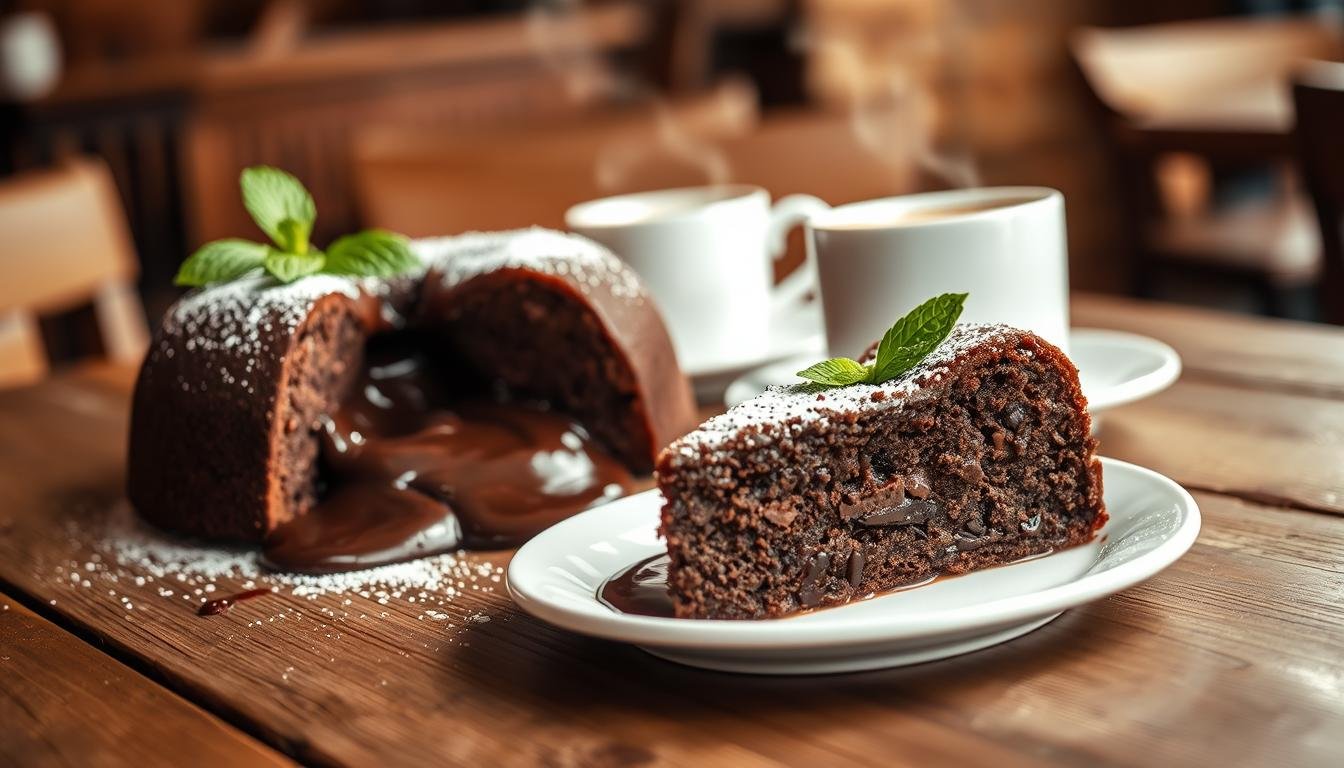
Dominos Lava Cake

Dominos Lava Cake

We introduce the story and simple appeal of a beloved molten dessert that started as a happy kitchen accident. Chef Jean-Georges Vongerichten invented the original version in the 1980s, and its warm, gooey center still delights home bakers and food lovers across the United States.

In this guide, we explore the history of the Dominos Lava Cake and show how you can recreate a restaurant-style treat at home. We cover the balance between a crisp outer shell and a flowing lava center, plus step-by-step techniques that keep the process approachable for novices.

Follow our professional tips and you will learn how to produce a rich chocolate dessert that rivals shop-bought quality. We keep instructions clear so both casual bakers and seasoned cooks can achieve consistent results and enjoy a rewarding baking project.

The History and Appeal of the Dominos Lava Cake

In the 1980s, Chef Jean-Georges Vongerichten pulled small chocolate desserts from the oven too soon. That early timing created a soft, molten center that quickly captured attention in restaurants and homes.

We study why this chocolate lava crunch became a quick, indulgent food for busy evenings. The contrast between a crisp outer crumb and a flowing middle feels luxurious without long prep time.
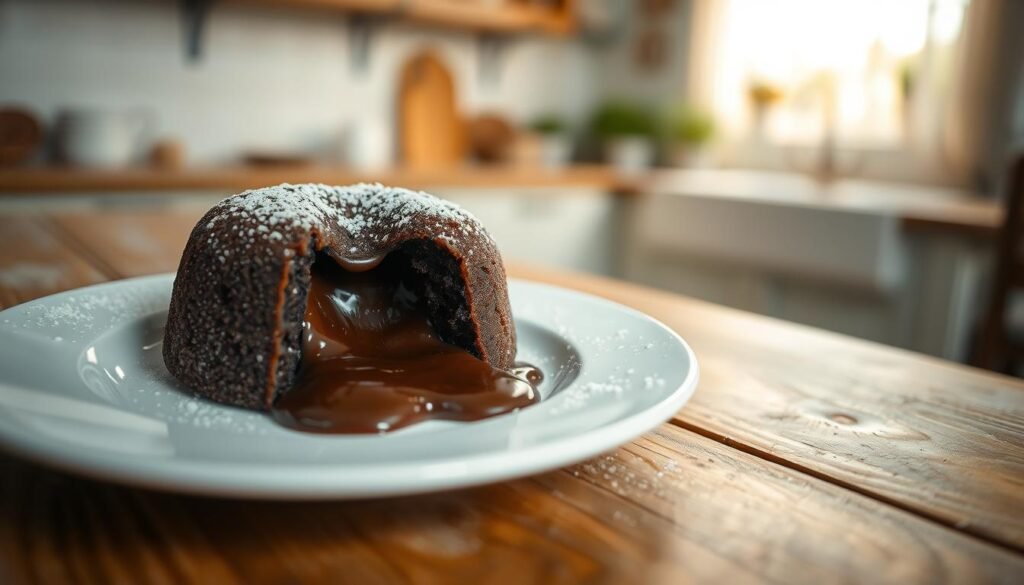
A delicious chocolate lava crunch dessert sits elegantly on a white porcelain plate in the foreground, with a molten chocolate center spilling out, surrounded by a delicate sprinkle of powdered sugar. The lush texture of the dessert is highlighted by warm, inviting lighting that accentuates the dark chocolate tones, creating a rich and decadent look. In the middle ground, a softly blurred, rustic wooden table conveys a warm and homey atmosphere. In the background, a subtle kitchen setting features soft, diffused light filtering through a window, hinting at a cozy baking environment. The overall mood is inviting and indulgent, perfect for showcasing the delightful experience of savoring a Dominos Lava Cake.

  • A happy accident gave us the signature molten core.
  • Precise baking time is the secret to consistent results.
  • Our guide focuses on texture, not tricks, so home cooks can repeat the effect.
Aspect Desired Result Timing
Outer Crust Lightly crisp, set Short bake, 8–10 minutes
Center Velvety, flowing Pull early, rest 30 sec
Serving Warm, immediate Serve within 5 minutes

Mastering timing gives reliable homemade cakes that match the restaurant feel. With practice, we can recreate the chocolate lava cake texture and satisfy any craving for a rich, quick dessert.

Essential Ingredients for Your Homemade Chocolate Dessert

Quality ingredients determine texture and flavor in every bite. We pick items that help the center remain molten while the outer shell sets. Small changes to fat, egg content, or flour alter the final result quickly.

Selecting Quality Chocolate

Choose chocolate with 50–60% cacao for balanced bitterness and sweetness. This range gives depth without overpowering sugar or cream in the ganache and batter.

We recommend chopping the bar by hand for even melting. Use a medium glass bowl to combine melted chocolate with cold unsalted butter for a smooth mix.
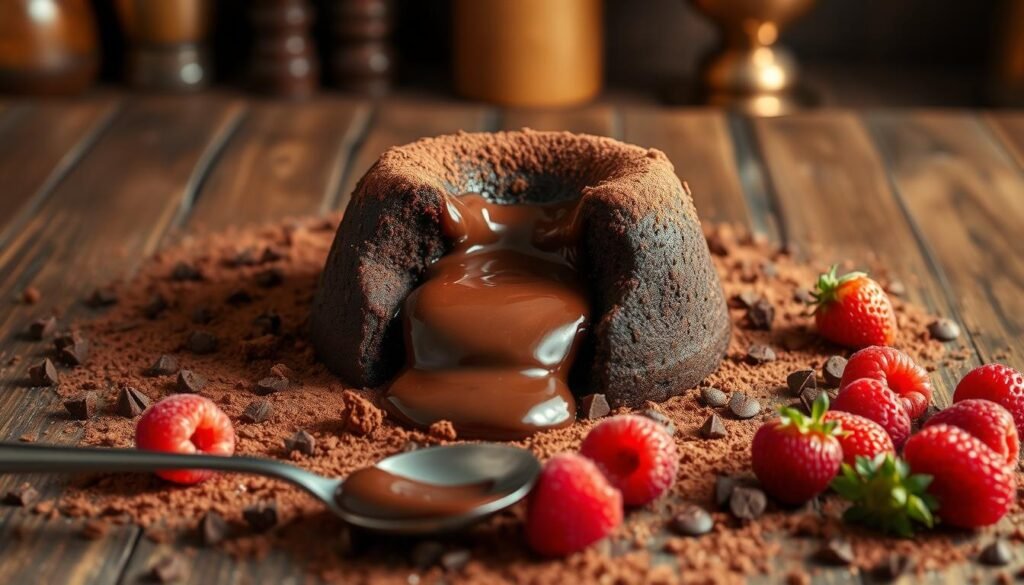
A rich, indulgent scene featuring a decadent molten chocolate lava cake at the center, oozing warm chocolate from its core. Surround the cake with scattered cocoa powder and chocolate shavings to emphasize its richness. In the foreground, place a small spoon drizzled with chocolate sauce, inviting the viewer to taste. The middle ground is filled with fresh berries, like raspberries and strawberries, adding a pop of color. The background should be softly blurred, showcasing a rustic wooden table and elegant, warm-toned lighting that creates a cozy atmosphere, reminiscent of a gourmet kitchen. Capture the scene at a slight top-down angle to highlight the textures and details of the dessert, evoking a mood of warmth and indulgence.

The Role of Egg Yolks

Egg yolks add fat and richness that make the batter fudgy. For the underbaked version, use two large egg yolks alongside whole eggs to bind ingredients and improve mouthfeel.

Measure flour precisely—about 20g—to keep structure without losing the flowing center. Add a pinch of salt and a splash of vanilla extract for balance.

  • 115g cold unsalted butter provides richness and structure.
  • Use sugar sparingly to avoid a cloying finish.
  • A medium glass bowl ensures even mixing of batter and cream.
Ingredient Amount Purpose
Chocolate (50–60% cacao) 100–120g Flavor depth
Cold unsalted butter 115g Structure, richness
Flour 20g Hold shape

Preparing the Perfect Ganache Center

For a reliable molten center, we focus first on a silky ganache that holds shape in the freezer.

Heat 6 Tbsp of heavy cream in a saucepan until it reaches a bare simmer. Pour the hot cream over 70g of finely chopped bittersweet chocolate and let sit for 60 seconds.

Whisk the mixture until smooth. Add a pinch of kosher salt and 1 tsp vanilla to balance sugar and deepen flavor.
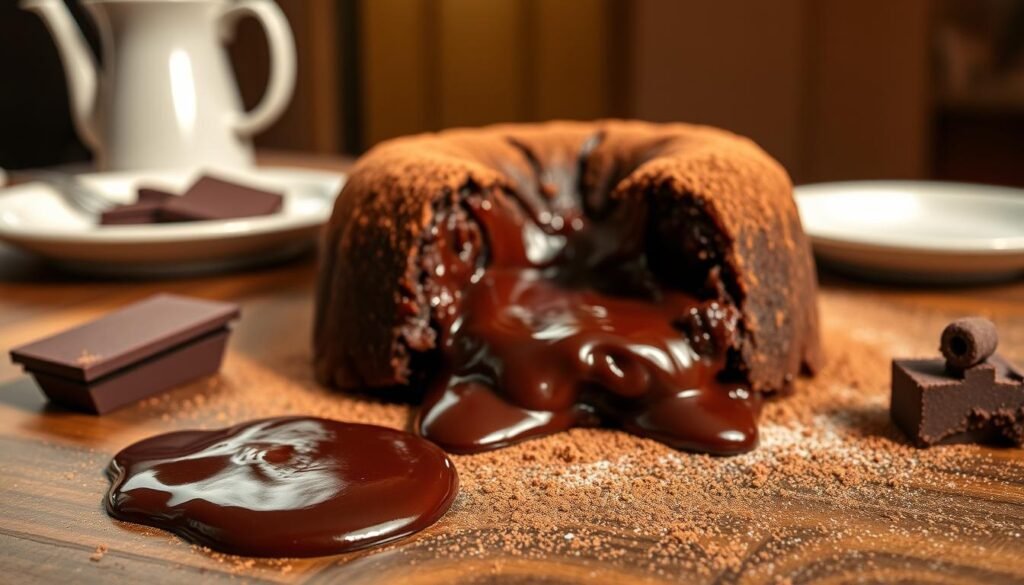
A rich, glossy chocolate ganache center, oozing from a freshly baked lava cake, sits in the foreground, capturing the light beautifully with its deep brown color and silky texture. The ganache is drizzled slightly, creating an inviting sheen. In the middle, a round, warm lava cake with a slightly cracked top reveals a generous, molten center, surrounded by a delicate dusting of cocoa powder. The background features a rustic wooden table setting, softly illuminated by warm, natural light filtering in from a nearby window, enhancing the inviting atmosphere. The composition is shot from a slightly elevated angle, highlighting the luscious details of the ganache and the inviting texture of the cake, evoking a sense of warmth and indulgence.

To finish, chill the ganache at least 30 minutes so it firms into a small ball. This chilled center will soften during baking and create the molten core.

  • Use a double boiler or microwave to melt butter and chocolate for a glossy mixture.
  • Grease ramekins with butter, then dust with flour to ensure easy release from the pan.
  • Form ganache portions in a bowl, freeze briefly, then place into batter before baking.
Step Key Action Timing
Heat cream Bring to bare simmer in saucepan 1–2 minutes
Combine Pour over chocolate, whisk smooth 1 minute
Chill Set ganache into firm ball in fridge 30+ minutes

Mixing the Rich Chocolate Batter

To get the right rise and fudgy interior, we start by aerating the eggs and yolks until pale and voluminous. Using a hand blender with the whisk attachment, we whip whole eggs and egg yolks until the mixture doubles in volume. This step traps air that supports cakes while preserving a dense, molten center.

Incorporating Air for Structure

We melt 165g of bittersweet chocolate with 115g of cold unsalted butter in a saucepan, stirring until smooth. Let the melted butter and chocolate cool slightly before folding it into the whipped eggs so we don’t deflate the batter.

  • Whip eggs and yolks with a hand blender until light and doubled.
  • Gently fold the cooled chocolate-butter mixture into the bowl to keep air intact.
  • Add flour and a pinch of salt with soft, deliberate folds; the batter should be thick and pale yellow.

Finish with vanilla extract and any remaining ganache pieces folded in. We suggest chilling the batter for at least 20 minutes to help the top form a slight crunch during baking. Bake in a hot oven so cakes set quickly on the outside while the center remains molten.

Step Action Timing
Whip eggs Use hand blender to double volume 3–4 minutes
Combine chocolate Melt chocolate and butter in saucepan, cool 5 minutes
Chill batter Rest before baking for crisp top 20 minutes

Baking Techniques for a Gooey Lava Crunch Cake

A fast, high-heat bake is the key to a crisp exterior and molten center in our lava crunch dessert.

Preheat oven 450°F (230°C) so the top and edges set quickly. Use a double boiler to melt chocolate and butter. That keeps the mixture smooth and prevents seizing.

Bake the cakes for 10–11 minutes. The outside should look set while the center still jiggles when you shake the pan gently.

  • Let cakes rest 1 minute before loosening the edges with an offset spatula.
  • Monitor the oven in the final minutes; the top should bounce back slightly when poked.
  • Dust with powdered sugar for a professional finish before serving warm.
Step Temperature Timing
Preheat oven 450°F / 230°C
Bake cakes High heat 10–11 minutes
Rest & release Room temp 1 minute

Follow these techniques and your ganache-filled batter will deliver the chocolate-rich, molten center with a crackly top every time.

Pro Tips for Achieving the Ideal Texture

Attention to chilling and timing transforms a good batter into a professional-quality treat. Small steps at the end of the process lock in a crisp top and a flowing center. We focus on three practical areas: chilling, oven control, and avoiding overbaking.

The Importance of Chilling

Chill the batter at least 20 minutes to help the top set quickly in the oven. For best results, chill twice: once after mixing and again briefly after portioning into the pan.

Cold batter firms the ganache core and helps the outer shell become slightly crunchy while the center melts.

Managing Oven Temperatures

Always preheat oven 450°F before baking. High initial heat sets edges fast and preserves the molten middle.

Check oven calibration with a thermometer. Small fluctuations change baking time and texture.

Avoiding Overbaking

Whip egg yolks well to build structure that supports the molten center. Use a hand blender so vanilla and other flavorings disperse evenly.

Set a timer and pull the cakes the moment the edges are firm and the center still jiggles. Rest for one minute before releasing from the pan.

  • Chill batter twice for a firmer crust.
  • Use a timer to prevent overbaking.
  • Verify oven temp to avoid a runny or dry result.
Tip Impact Timing
Chill batter Crunchy top, stable center 20 minutes
High heat Set exterior, molten core preheat oven 450
Timer pull Avoid overbake 10–11 minutes
Whip yolks Structure without extra flour 3–4 minutes

Enjoying Your Decadent Homemade Creation

We recommend serving soon after baking so the warm ganache center stays flowing. After you let cool the cakes for 2 minutes, use a knife to carefully loosen the edges cake, then invert each ramekin onto a plate.

Dust with powdered sugar for a bright contrast to the dark chocolate. A small pat of butter or a scoop of vanilla ice cream pairs well and balances sugar and richness.

Store finished cakes in an airtight container for up to 4 days. To reheat, warm in a 350°F oven for 3–4 minutes or microwave for 1–2 minutes. We hope you enjoy sharing this food with friends and family, knowing your ganache and batter timing created the perfect molten center.


FAQ

What oven temperature and timing do we use to bake a molten-centered chocolate dessert?

We preheat the oven to 450°F for most individual molten-centered cakes to achieve a set edge and a soft center. Bake times vary by pan size but usually fall between 8 and 12 minutes. We recommend checking at the lower end and adding one-minute increments to avoid overbaking. Let the cakes rest a minute or two before unmolding so the ganache and batter settle.

Which chocolate and fat combination yields the richest molten center?

We use high-quality semisweet or bittersweet chocolate combined with unsalted butter for a stable, glossy ganache. For extra silkiness, we add a small amount of heavy cream to form a ganache, then chill briefly so it becomes a thick chocolate butter–style filling. Using chocolate with at least 60% cocoa gives the best balance of chocolate flavor and structure.

How do egg yolks influence texture and richness?

Egg yolks add fat and emulsifiers that produce a velvety, custard-like interior. We whisk yolks into melted chocolate and butter, then fold them into the batter to help create a tender crumb and a gooey center. For consistency, slightly warm the yolks to temper them if combining with hot chocolate.

Can we prepare the ganache center ahead of time, and how should we store it?

Yes. We prepare the ganache, chill it until firm, then portion it into small rounds or dollops and freeze or refrigerate until assembly. If frozen, place chilled ganache in the batter just before baking. Refrigerated ganache should be firm but pliable; let it sit briefly at room temperature before using to make embedding easier.

What role does flour play, and can we reduce it for a more molten interior?

Flour provides structure and helps the outer cake set while keeping the center soft. We use a modest amount—usually a few tablespoons for individual cakes—to avoid turning the center cakey. Reducing flour increases meltiness but raises the risk of collapse, so make incremental adjustments and test bake for timing.

How do we incorporate air into the batter without deflating it?

We gently fold beaten eggs or whipped egg whites into the chocolate mixture in stages, using a large spatula and a light hand. Incorporate just until no streaks remain. Overmixing knocks out air and yields a denser result, so stop as soon as the batter looks homogeneous and slightly airy.

What pan types and greasing methods help with clean unmolding?

We use well-buttered, floured ramekins or lightly sprayed metal molds. For extra insurance, line the bottom with a small parchment round. Chill the prepared pans briefly before baking to help the batter cling to the sides for even rise and easy release after baking.

How important is chilling before baking, and when should we use it?

Chilling assembled cakes for 10–20 minutes tightens the outer batter and helps preserve a liquid center, especially when using frozen ganache rounds. We also chill the ganache before insertion to prevent it from dissolving into the batter prior to baking.

What are common signs of overbaking, and how do we avoid them?

Overbaked cakes lose their molten center and become uniformly set. Look for a firm outer edge with a slightly jiggly center. To avoid overbaking, use a hot oven (already at 450°F), reduce bake time if using smaller molds, and remove cakes when the surface looks just set but still soft in the center.

Can we make a crunch layer to contrast the soft center? What ingredients work best?

Yes. We create a crunch layer using crushed cookies or nuts mixed with melted butter and a touch of powdered sugar for stability. Press the mixture into the pan base or onto the ganache before pouring batter. Bake as usual to achieve a pleasant textural contrast between crisp and gooey.

Is it necessary to dust the finished dessert, and what finishing touches do we recommend?

Dusting with powdered sugar or cocoa powder enhances presentation. We also recommend a spoonful of warmed heavy cream or a scoop of vanilla ice cream on the plate to balance richness. A pinch of kosher salt sprinkled on the hot center brightens chocolate flavor.

How do we safely melt chocolate without seizing or burning it?

We melt chocolate over a double boiler or in short bursts in the microwave, stirring frequently. Keep water out of the chocolate and avoid high direct heat. If adding cream or butter, warm them slightly first and combine gradually to maintain a smooth ganache.

What substitutions work for dietary restrictions like dairy or gluten?

For dairy-free versions, we substitute unsalted butter and heavy cream with plant-based spreads and coconut cream; use dairy-free chocolate. For gluten-free, replace all-purpose flour with a 1:1 gluten-free blend or almond flour, adjusting bake time and structure accordingly. Always test small batches to confirm texture.

How long should we let the cakes cool before serving to preserve the molten center?

We let individual cakes rest 1 to 3 minutes after baking to stabilize but not fully set the center. This short cooling time makes unmolding safer and preserves a flowing center when plated. Serve immediately for optimal texture contrast.

What tools and utensils help achieve consistent results?

We use an instant-read thermometer for oven and ganache checks, ramekins or metal molds for uniform shapes, a double boiler or heatproof bowl for melting chocolate, and a silicone spatula for gentle folding. Accurate measuring cups and a scale improve consistency with batter and ganache portions.

Similar Posts

  • Dominos Thin Crust Pizza

    We show how to make a restaurant-quality thin crust pizza at home in just a few minutes. Since the method first circulated on March 2, 2015, home cooks have relied on this approach to beat the usual wait time for delivery. Our recipe focuses on fast preparation and smart baking so you spend less time…

  • Dominos Bread Bowl

    We reviewed the Dominos Bread Bowl and its role as a national menu item that stirred strong opinions. Mandy Ellis reviewed the Pasta Breadbowl back in 2014, and we revisited the concept to judge how it stood up over time. Despite millions spent promoting new dough and pizza recipes, our experience found delivery often fell…

  • Dominos Customer Service

    We welcome you to our guide on reaching and using our support team for order help and privacy questions. Our goal is to give clear information so you can find contact details fast and resolve issues with a pizza order. We maintain strict privacy policies to protect your personal data whenever you call, text, or…

  • Pizza Hut vs Dominos

    We compare two of the most recognizable names in American delivery to help you choose your next meal. Founded in 1958 in Wichita, Kansas, and 1960 in Ypsilanti, Michigan, these brands have battled for taste and market share for decades. Our team has spent countless Friday nights testing crusts, sauces, and delivery speed so you…

  • Dominos Carry Out Deals

    We open with a clear goal: help you save on pizza and quick meals. Our guide shows how to use carryout specials and rewards to lower costs for regular orders. We explain the most popular offers like the $7.99 special and the $6.99 Mix & Match bundle. We also cover the rewards program that gives…

Leave a Reply

Your email address will not be published. Required fields are marked *